


Travelling with family is one of the best ways to bond and make lasting memories. But with multiple people, meals and tickets, costs quickly add up.
For more information on family travel, check out the Best European Cities for Honeymoons and Babymoons and Travel Habits by Generation.
In this guide, we’ll explore ten top tips to enjoy your time abroad without emptying your wallet.
Skip ahead to:
Top 10 Money Saving Tips for Travelling with Kids
Book Flights in Advance
Flights are often the biggest cost in international family travel, so timing matters. The best fares usually appear two to six months before departure, with midweek flights often cheaper than weekends. It’s also worth checking nearby airports, as smaller or secondary hubs often have lower fares, and the savings can add up quickly when buying multiple tickets for a family.

Using tools like Google Flights or Skyscanner to set alerts helps you catch price drops. While budget airlines may look cheapest, extras like baggage and seat selection add up too. Sometimes paying a little more for a full-service airline makes the journey easier, and often better value, when travelling with kids.
Book Accommodation with Kitchens
Where you stay can make or break your budget. Hotels that include meals such as half board (breakfast and dinner) or full board (three meals a day) may look convenient, but costs add up quickly, especially if you want flexibility to explore local food.

For many families, choosing an apartment, aparthotel, or Airbnb with a kitchen is the smarter option. Cooking even a few simple meals can save hundreds over the course of a trip, and supermarkets abroad often make it easy to try local flavours without restaurant prices.
The best approach is balance: mix the comfort of occasional hotel dining with the freedom of preparing your own food. That way, you cut costs without feeling like you’re missing out on the travel experience.
Book Airport Parking in Advance
Airport parking can quickly become one of the hidden costs of family travel, especially for longer trips. Book Airport parking in advance and save up to 70% of the price of paying on the day.

Airports usually have several options, from on-site short-stay lots to more affordable park-and-ride services a few minutes away by shuttle. Comparing these options ahead of time can make a noticeable difference in both cost and convenience.
Planning ahead means that you can also take advantage of an airport parking discount code which will help save you a little extra.
For families, pre-booking adds another layer of peace of mind. You won’t waste time searching for spaces while juggling luggage and children. You’ll have a clear idea of costs, shuttle schedules, and walking distances. Starting your trip organised keeps stress at bay and makes that first step of your journey smoother and more predictable.
Try a City Pass
City passes can be a real money-saver for families visiting major destinations. They usually bundle entry to top attractions with public transport, offering both convenience and a reduced overall cost. Many passes also include skip-the-line privileges, which can be a huge advantage when travelling with children.
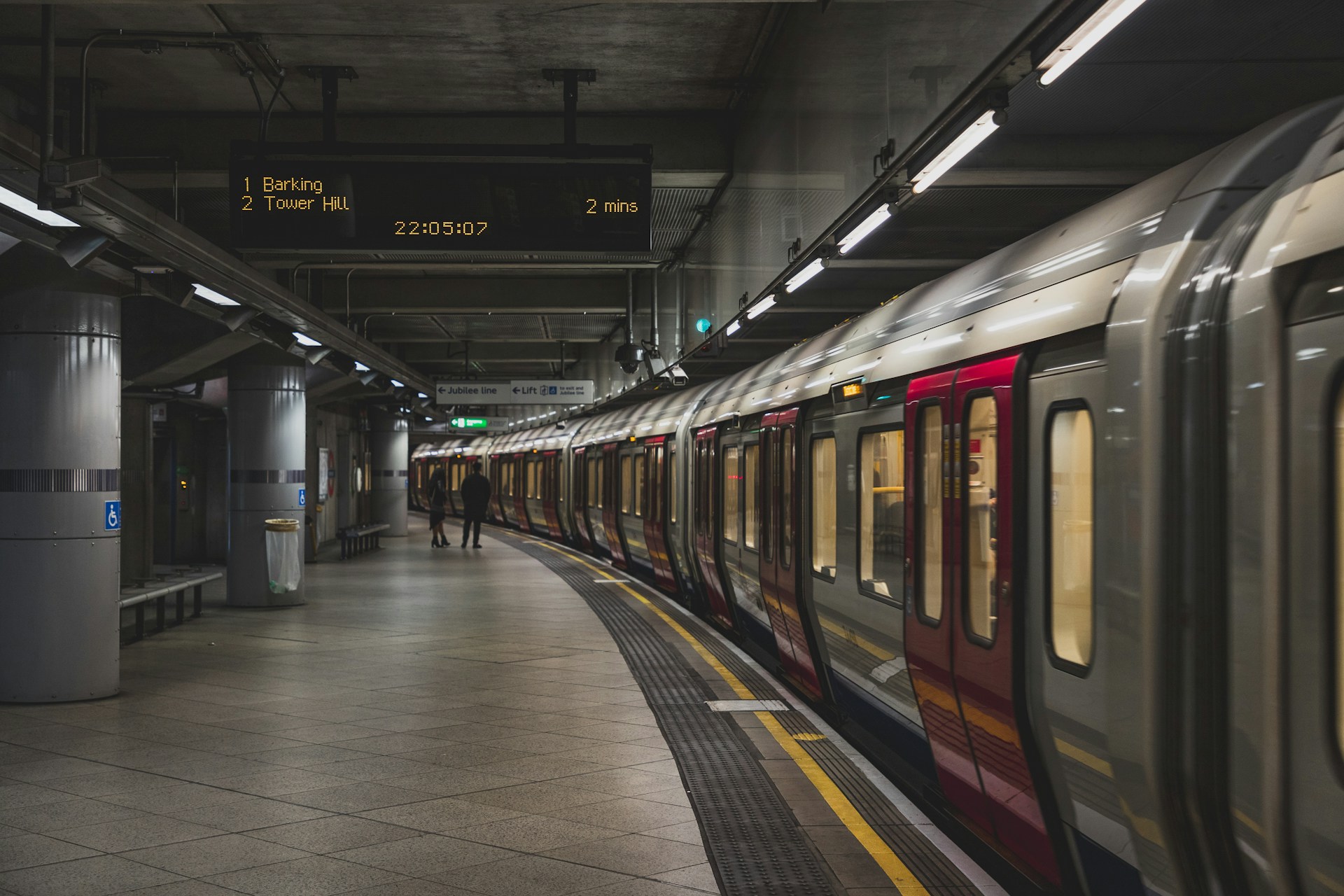
Before buying, check what’s included and whether children travel free or at a reduced rate. A city pass makes sense if you plan to visit several attractions in a short time, but if your family prefers a slower pace, it may be cheaper to pay for only the sites you really want to see. Using a pass strategically can save both money and time, making sightseeing less stressful and more enjoyable for everyone.
Compare Rideshares with Public Transport
Getting around a new city can be one of the biggest daily expenses for families, so it pays to compare your options. Public transport (buses, trams, metros, and trains) is often the most economical choice, particularly in major cities where children may travel free or at a reduced fare. Weekly or family passes can further reduce costs and make travel straightforward.
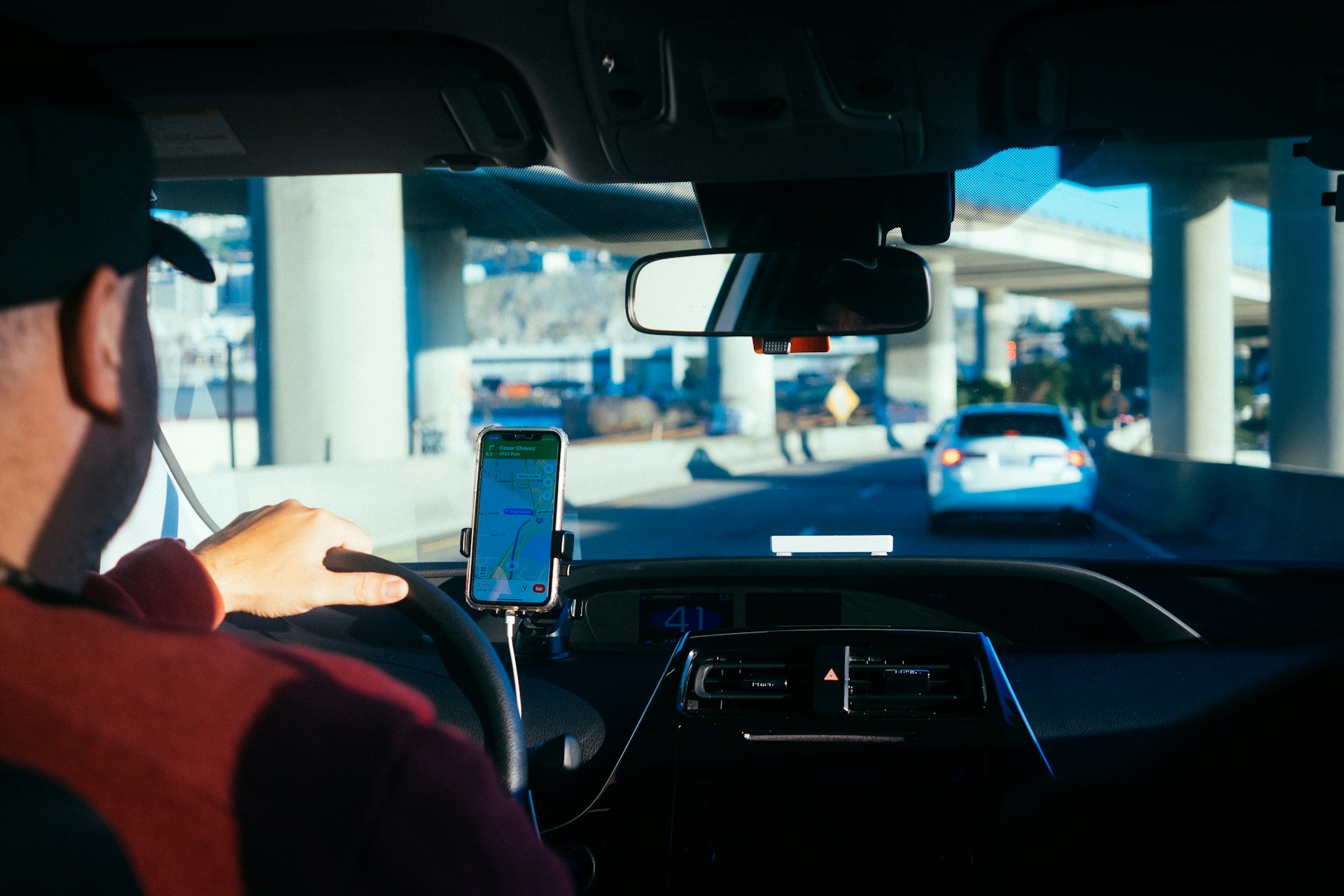
Rideshares, taxis, or private hire vehicles can be more convenient, especially for families with young children, luggage, or when travelling outside peak hours. Sometimes, splitting a rideshare with other family members is comparable in price to a train or bus, but it can save time and effort. Considering cost, convenience, and travel time gets you the best balance between savings and comfort for your family.
Choose Restaurants Wisely
Food can be one of the biggest daily expenses abroad, so choosing where to eat carefully can make a real difference. Eating at restaurants in tourist hotspots is often expensive, whereas local cafés, markets, and smaller eateries usually offer more affordable and authentic meals. Check the Google reviews of any restaurants you plan to visit, as a middling rating is a classic tell of tourist traps.

Timing your main meal for lunchtime rather than dinner can also save money, as many places offer cheaper set menus during the day. For families, supermarkets and local food stalls provide an easy way to prepare picnics or quick meals, keeping costs down without sacrificing variety or taste. By planning ahead and mixing dining options, you can enjoy the local cuisine while staying within your budget.
Stay Just Outside City Centres
Accommodation in the heart of a city is usually the most convenient, but it can also be the most expensive. Staying just outside the city centre can save a huge amount, particularly for families needing larger rooms or apartments. Keep an eye out for public transport links when booking, so you can still reach major attractions while enjoying quieter streets and lower prices.

Suburban or nearby towns often offer more space, easier parking, and sometimes even more amenities like kitchens or laundry facilities. For families, this balance of comfort, cost savings, and accessibility makes staying slightly further out a practical choice.
Leverage Free Attractions
Many of the world’s best experiences don’t cost a penny. Free attractions are a fantastic way to enjoy international travel without stretching your budget. Museums, galleries, parks, and some historic sites often offer free entry, particularly in major cities such as London, Berlin, or Washington DC. Outdoor spaces, beaches, walking tours, and cultural festivals also provide memorable experiences for the whole family.
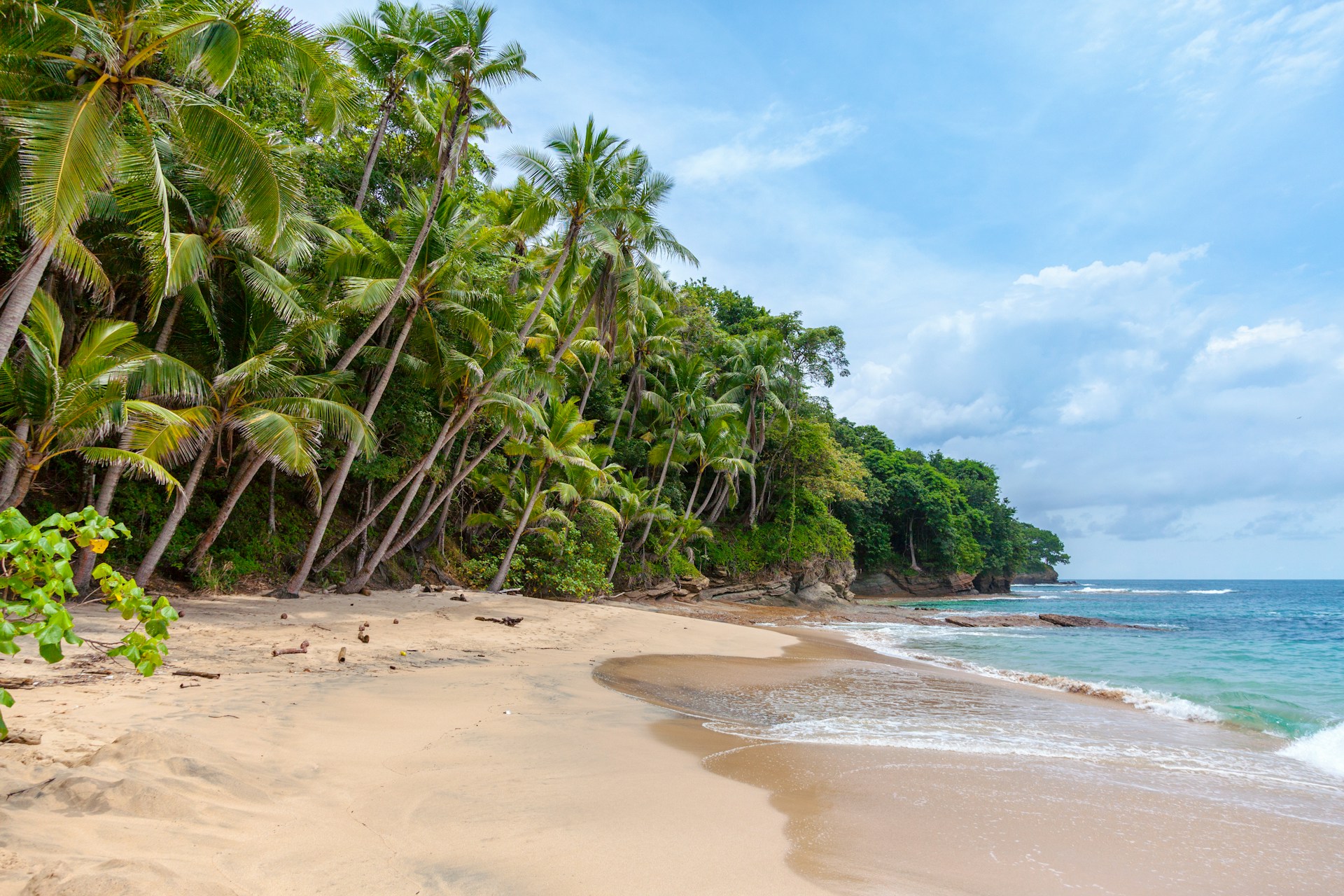
Planning your itinerary around these free options allows you to save money while still enjoying local culture and history. Mixing free attractions with a few paid experiences can give your family the best of both worlds. You can enrich your itinerary activities without overspending.
Save on Connectivity & Insurance
Staying connected and protected while travelling internationally doesn’t have to be expensive. Rather than using roaming from your home provider, consider a local SIM card or an eSIM, which often provide much better rates for data and calls. This is especially useful for navigation, booking tickets, or keeping in touch with family while abroad.
Travel insurance is another essential for families, protecting against medical emergencies, delays, or lost luggage. Purchasing a family policy is usually far cheaper than buying coverage for each person, and it ensures peace of mind throughout the trip. Plan ahead for both connectivity and insurance to avoid costly surprises and travel with confidence.
Pack Smart & Light
Packing efficiently is one of the simplest ways to save money and reduce stress on a family trip. Avoid checked baggage fees by travelling with carry-ons where possible. And choose versatile clothing that can be layered or mixed and matched. Bringing essential items like medicines, snacks, and travel-friendly entertainment for children can help prevent costly purchases at airports or tourist areas.
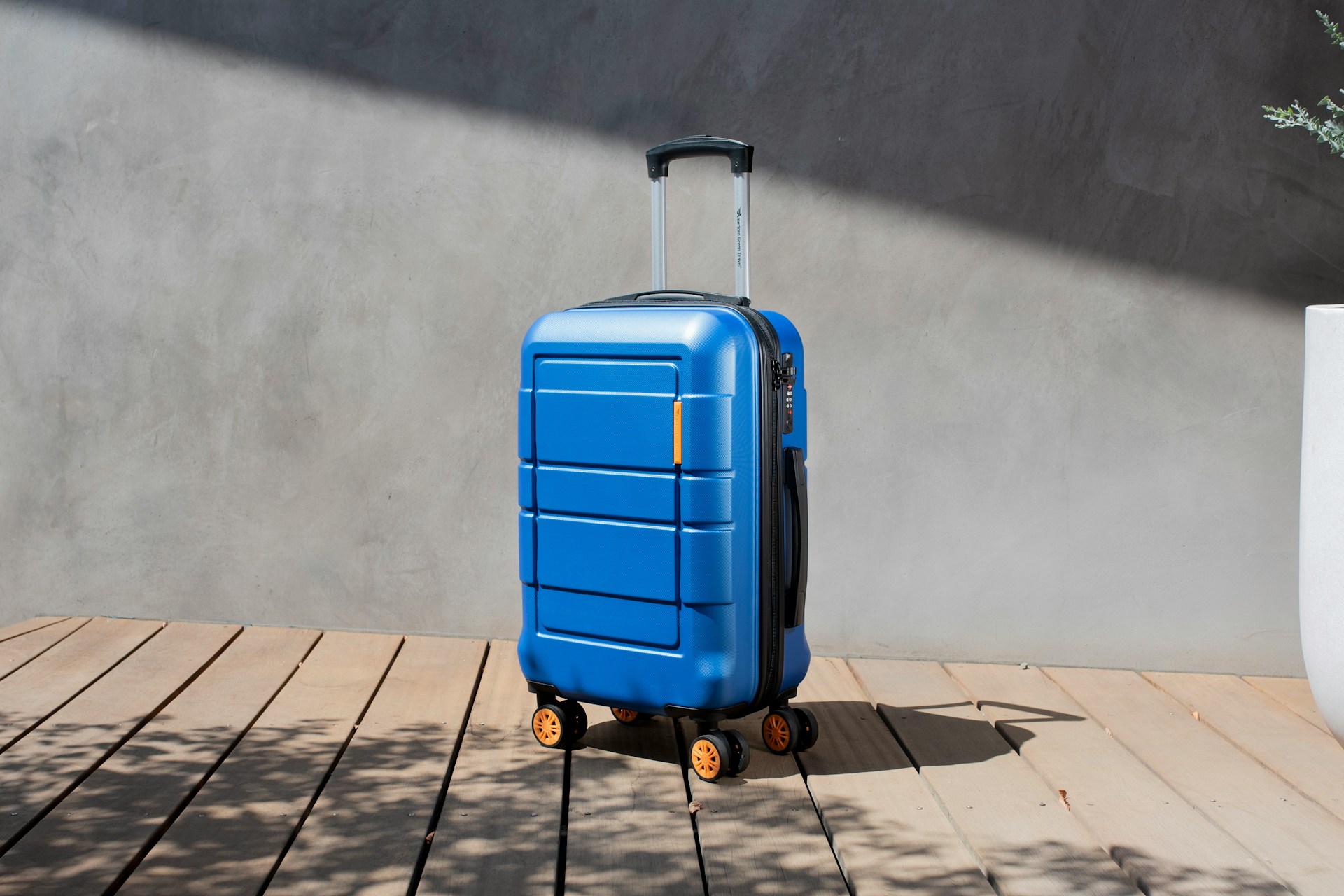
Packing light also makes transport easier, from hopping on trains and buses to navigating busy airports. By planning your luggage carefully, you save money, simplify and make the trip more comfortable for everyone.
Family Travel Money-Saving FAQs
Usually 2–6 months in advance (depending on destination). Avoid peak school holiday seasons if you can. Prices drop significantly in shoulder seasons (spring & autumn).
Package deals (flight + hotel) can be cheaper for resorts and city breaks. For longer or multi-stop trips, booking separately often gives more flexibility and savings.
Apartments and Airbnbs: Best for longer stays (kitchens = food savings).
Hotels with breakfast included: Good for short city trips.
Family hostels and YHA: Budget-friendly with private family rooms.
Car rental is usually cheaper for rural areas, road trips, or large families (3+ kids). Public transport works best in big cities (metro passes, buses). Many places offer family transit discounts.
Eat your main meal at lunch (menus are cheaper).
Shop at supermarkets or local markets for snacks/picnics.
Watch for “kids eat free” deals in chain restaurants and hotel promotions.
Yes. If you plan to visit 2–3+ major attractions daily. They also usually include public transport. Always check if kids get free entry before buying.
Buy a local SIM card or use an eSIM app (e.g., Airalo, Holafly). Avoid roaming plans from home carriers – they’re usually the most expensive.
Pre-book airport parking instead of leaving it late.
Pack snacks and refillable water bottles.
Bring your own medicine, stroller, and kid essentials (to avoid pricey tourist-area purchases).
Always check baggage rules (low-cost airlines often charge for carry-ons).
And even before you start your holiday you can be making savings at the airport. Take a look at these money saving airport tips to find out how.
Main image: Westwind Air Service – Unsplash