


Travelling should be about discovery, relaxation and creating lasting memories, but unfortunately, it’s also when you’re most vulnerable to scams. From fake booking sites that drain your bank account before you even leave, to street-level tricks and impersonators that target you on arrival, scammers are constantly evolving their tactics to exploit unsuspecting tourists.
For both first timers and seasoned travellers, knowing the red flags can make all the difference. This guide breaks down the most common holiday and travel scams, from cyber fraud to street-level deception, and gives you practical advice on how to stay safe and avoid becoming a scam victim, and what to do if things go wrong.
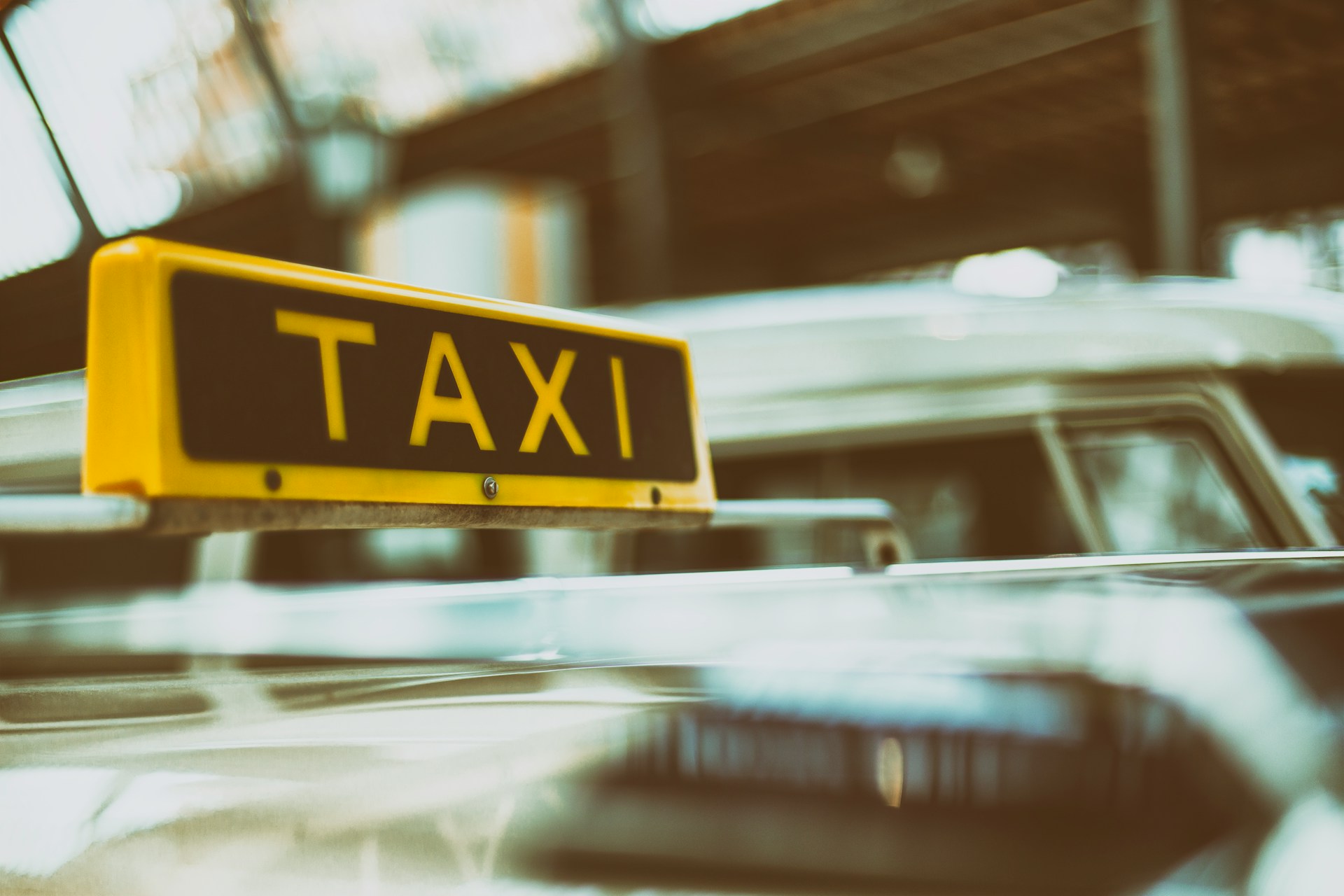
“…tourists are frequently targeted for fare scams. Some taxi drivers, especially in high-traffic tourist areas or near airports, may claim the meter is broken or refuse to use it altogether…”
Stay informed, stay alert, and travel smarter with our guide.
In this guide:
Holiday Cyber Scams
1. Fake Booking Sites
Fraudsters create fake websites that look similar to legitimate booking platforms like Booking.com, Expedia, or Airbnb. They may offer highly discounted rates for accommodations, flights, or car rentals. After booking, you’ll either find out that the accommodation doesn’t exist or that you’ve been charged far more than advertised. In some cases, these sites collect your personal and payment details for later fraud.
What to Do
If you suspect you’ve used a fake booking site, contact the hotel or service provider directly to confirm your reservation. If you’ve paid, contact your bank to dispute the charge as soon as possible. Report the fake site to local authorities and the legitimate booking platform it mimicked.
How to Avoid It
To avoid becoming a holiday cyber scam victim, always book through well-known and trusted platforms. Double-check the website URL for spelling errors or strange domain names. Look for reviews and verify the legitimacy of the business. If a deal seems too good to be true, it probably is. Avoid clicking on links in unsolicited emails or ads.
2. Phishing Emails
Phishing emails targeting travellers often appear to be from legitimate sources such as airlines, travel agencies, hotel booking sites, or government agencies. These emails might offer too-good-to-be-true discounts, fake flight confirmations or urgent requests for passport verification. The goal is to trick you into clicking malicious links, downloading attachments, or entering sensitive information like credit card details, driving licence information or passport numbers.
What to Do
If you’ve clicked on a link and/or entered personal information:
- Immediately change passwords for any affected accounts.
- Notify your bank if payment info was entered and monitor accounts for suspicious activity.
- Run a security scan on your device for malware.
- Report the phishing attempt to the company and your email provider.
- If personal documents (e.g., passport numbers) were compromised, contact your embassy for guidance.
How to Avoid It
- Be cautious of unsolicited travel-related emails, especially those offering unrealistic discounts or asking for sensitive details like passport numbers or payment information.
- Always verify the legitimacy of the email sender and website URL.
- Use a search engine or type the company’s main URL into your browser instead of clicking links.
- Use email filters and keep your devices updated with the latest security patches to protect against malware.
3. Visa and Health Insurance Scams
Scammers often target travellers by offering fake tourist visas or travel health insurance through unofficial websites and social media ads. These scams typically promise fast-tracked processing, guaranteed approvals or extremely low prices that seem too good to pass up.
In reality, the documents provided are either fake, never delivered or completely invalid, meaning you could be denied boarding, refused entry at your destination or left without medical coverage abroad.
In some cases, scammers also collect sensitive personal data, which puts you at risk of identity theft or further fraud.
What to Do
- Report the fraud to the police.
- Dispute the charge with your bank or credit card provider immediately.
- Save all documentation (receipts, emails, forms) to use as evidence.
- If already abroad, contact your real insurance provider or embassy for help.
- Monitor your financial accounts and identity for misuse of your information.
How to Avoid It
- Apply for visas and insurance only through official government websites or trusted providers.
- Be wary of services offering “express” or “guaranteed” approval for a fee.
- Avoid clicking on ads or emails offering visa help.
- Research the company thoroughly and check for reviews or scam warnings before paying.
For information on how airport parking scammers target you and how to choose a legitimate company, read our guide on airport parking scams.
Street-level Scams
1. Overcharging Taxis
Although most taxi rides are uneventful, tourists are frequently targeted for fare scams. Some taxi drivers, especially in high-traffic tourist areas or near airports, may claim the meter is broken or refuse to use it altogether. Others may deliberately take an unnecessarily long or indirect route, jokingly referred to as the “scenic route”, to inflate the fare.
In more blatant cases, they might display a rigged meter that runs faster than normal or add hidden surcharges for luggage, nighttime travel, or “tolls” that don’t actually exist. Language barriers and unfamiliarity with local currency or routes often make it harder for travellers to challenge these tactics on the spot.
What to Do
If the meter isn’t running or the route seems suspicious, speak up politely. Ask to stop in a safe, public place if needed. Take note of the taxi number or plate and report the incident to your hotel or local authorities.
How to Avoid It
If you’re in a taxi from the airport, do your research on fixed fares (where applicable) and make sure you agree on a price in advance. Where possible, use ride-hailing apps such as Uber and be mindful of stepping into taxis on the street. If your pickup point is the hotel, ask the concierge to phone a taxi for you, as hotels typically work with trusted providers.
2. The Gift Scam

In this common street scam, fraudsters will approach you in a friendly, cheerful manner, usually near busy tourist spots. They’ll often start with small talk, like asking where you’re from, and then try to give you a bracelet, saying it’s a gift because they like your country. They’ll insist it’s free. But once you accept it, they’ll suddenly demand payment.
Some scammers are more aggressive and will try to slip the bracelet onto your wrist without your permission, either by grabbing your arm or sneaking it on while you’re distracted. Others may even toss the bracelet onto your shoulder.
A common variation involves flowers, especially roses. The scammer might hand you a flower and claim it’s free, sometimes with a story about a nearby festival. Whether or not the festival is real, the intention is the same: to make you feel obligated to pay.
What to Do
If you end up with a bracelet or flower, stay calm. You can either keep walking or remove it and drop it on the ground. Don’t pay them. If they become aggressive, look for help from nearby police officers, vendors, or other people around you.
How to Avoid It
To avoid becoming a victim to the gift scam, as a rule, don’t accept anything from strangers in tourist areas. The best approach is not to engage. Don’t respond, don’t make eye contact, and keep walking at a steady pace. Scammers rely on getting your attention, so staying focused and aware is your best defence.
3. The Clear Cup Scam
In the clear cup scam, a beggar or street performer, often a child to increase emotional pressure, places a clear plastic cup several feet away from themselves on a busy pavement, usually near a drain. The cup contains a few coins and is intentionally hard to see.
As crowds pass by, someone inevitably kicks the cup over by accident. At that point, the scammer makes a dramatic scene and demands reimbursement, hoping to guilt you into handing over a banknote to quickly defuse the embarrassment.
But the “lost” coins are designed to be lost and offer no actual value. Often, they’re copper coins, counterfeits, or even outdated currencies like the drachma, designed to make the loss seem more dramatic than it is.
What to Do
If you knock the cup over, do not stop walking and do not engage, even to apologise. Accomplices may be waiting nearby to escalate the situation. Never open your wallet in response to pressure on the street.
How to Avoid It
To avoid becoming a scam victim, stay alert when walking through high-footfall areas, especially near street performers or beggars. Scan ahead and keep an eye on the ground, particularly near curbs, drains or bottlenecks where foot traffic slows.
4. Photo Scams
This sees scammers dress as popular characters such as Mickey Mouse or Spiderman, or sometimes a costume more topical to the location, like a gladiator in Rome. They will approach passing tourists, especially children, to try and entice them into a photo opportunity. More persistent and aggressive ones may try to reach out to shake your hand, not let go, then pull you into a pose.
This isn’t just uncomfortable, it’s coercive. Once a photo has been taken (often by a lingering accomplice) they will demand payment, sometimes becoming aggressive if you refuse.
What to Do
If a photo is taken without your consent and they demand payment, do not hand over any money. Keep walking. If necessary, find a crowded area or a shop to break free from the situation and regain your composure. If the scammer becomes aggressive, seek help from nearby authorities, people or vendors.
How to Avoid It
- Ignore any costumed figures who go out of their way to approach pedestrians, especially those with low quality and worn clothing.
- Remember that legitimate entertainers often wait for people to approach them, not the other way around.
5. The Petition Scam
This scam is common in major tourist areas, especially around landmarks and busy plazas. A group (often young people or women) will approach you with a clipboard and ask you to sign a petition, usually for a cause like disability rights or world peace. It may seem innocent, but once you sign, they aggressively demand a “donation,” often with guilt tactics or even threats. In some cases, the petition is just a distraction for pickpocketing.
What To Do
- If you’ve signed and they demand money, refuse calmly and leave the area.
- Check your pockets or bag immediately. This scam is often a cover for theft.
- If you feel unsafe, seek help from nearby vendors, security, or police.
How to Avoid It
- If you’re approached, politely decline and keep walking.
- Never sign petitions or give money to people on the street, especially in tourist areas.
- Be wary of groups approaching together, especially if they close in around you.
Keep valuables in zipped or front-facing bags to deter pickpockets.
6. Fake Police Officers
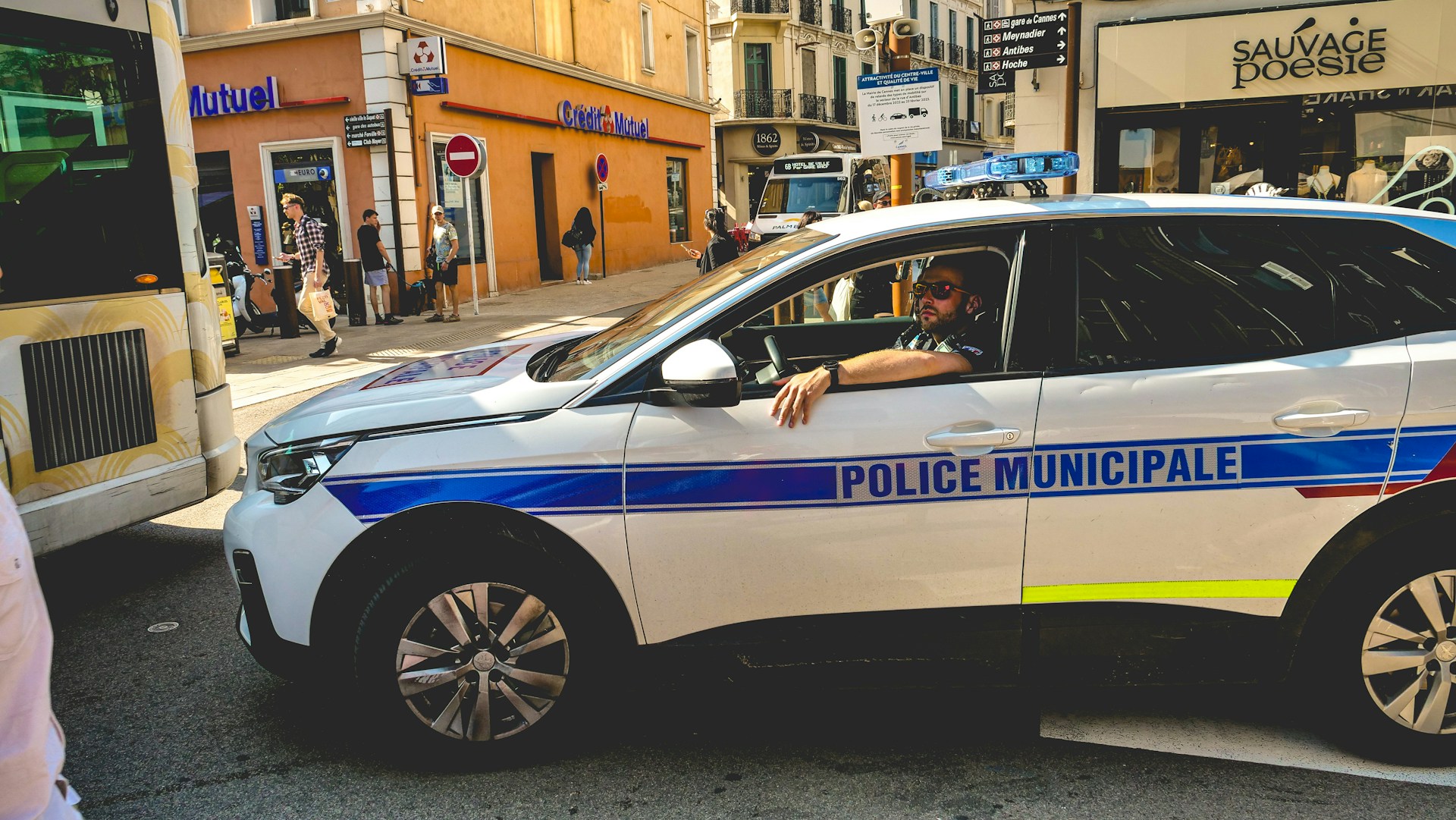
This scam targets tourists by exploiting their unfamiliarity with local laws. A scammer, often well-dressed and carrying a fake badge, approaches you on the street and claims to be an undercover or plainclothes police officer. They might say there’s been a crime in the area, accuse you of carrying counterfeit money or drugs, or ask to check your passport and wallet “for verification”.
These fake officers may work alone or in pairs, and they often pressure you into handing over money as an “on-the-spot fine,” or simply steal your belongings once they’re in hand. Because they look official and authoritative, many tourists comply out of fear or confusion.
What to Do
- Stay calm and don’t hand over anything immediately.
- Politely ask to see official identification and request that the conversation take place at a nearby police station.
- If you’re being pressured, refuse to pay anything on the spot.
- Note details (location, appearance, badge number if shown) and report the encounter to real local police or your embassy.
How to Avoid It
- Know that real police rarely stop tourists randomly or ask for on-the-spot fines.
- Keep a photocopy of your passport and leave the original secured at your hotel if local laws allow.
- Avoid handing over your wallet and offer to show ID without giving up your belongings.
7. The Bar Scam
This scam usually starts with a friendly local, often an attractive woman or overly sociable man striking up a conversation and suggesting you go for a drink. Once you’re at the bar, everything seems normal until the bill arrives. It’s massively inflated, and the staff suddenly become intimidating. In some cases, your new “friend” disappears, leaving you with the tab. These bars often work with the scammers and may threaten you if you refuse to pay.
What to Do
If the bill looks suspicious or you’re being pressured, don’t argue. Stay calm, ask to see a price list, and prioritise your safety, paying the minimum amount available to leave. Once outside, take photos if it’s safe and document every detail of the interaction, then report the incident to the authorities. A crime number or report may be able to help you dispute the charge with your bank if you paid by card. Look at what to do if you’re robbed abroad for more information.
How to Avoid It
- Avoid following strangers to bars, especially in tourist-heavy nightlife areas.
- Be wary if someone is overly eager to hang out or pushes drinks.
- Stick to well-reviewed venues and avoid bars with no clear prices or menus.
Travel Scam FAQs
Fake booking sites, taxi overcharges, bar scams, phishing emails, visa fraud, and street-level tricks like bracelet or petition scams.
Book through trusted platforms, ignore unsolicited street offers, research local scams, and stay alert in tourist areas.
Stay calm, collect evidence, report it to local police and your embassy, and contact your bank if money was involved.
Yes. Scammers impersonate police to steal passports or money. Ask for ID and suggest going to a real station.
A friendly local lures you to a bar, then vanishes. You’re hit with a huge bill and pressured to pay by aggressive staff.
Absolutely. Fake booking sites and phishing emails trick you into giving payment or passport details. Always verify URLs.
Yes. Scammers sell fake policies online. Use only official insurers and government-recommended providers.
Not always. In many countries, a photocopy is sufficient and safer. Keep the original locked in your hotel safe where possible.
Main image: Stock Birken – Unsplash